
Table of Contents
14 min read
OBD vs Hardwired vs Battery GPS Trackers: Which Install Type Is Right for Your Fleet? (2026)
Compare OBD plug-in, hardwired, and battery/hybrid GPS trackers by install type, vehicle fit, power source, I/O, and CANBus data — with Btracking model examples from $59.99 to $239.99.
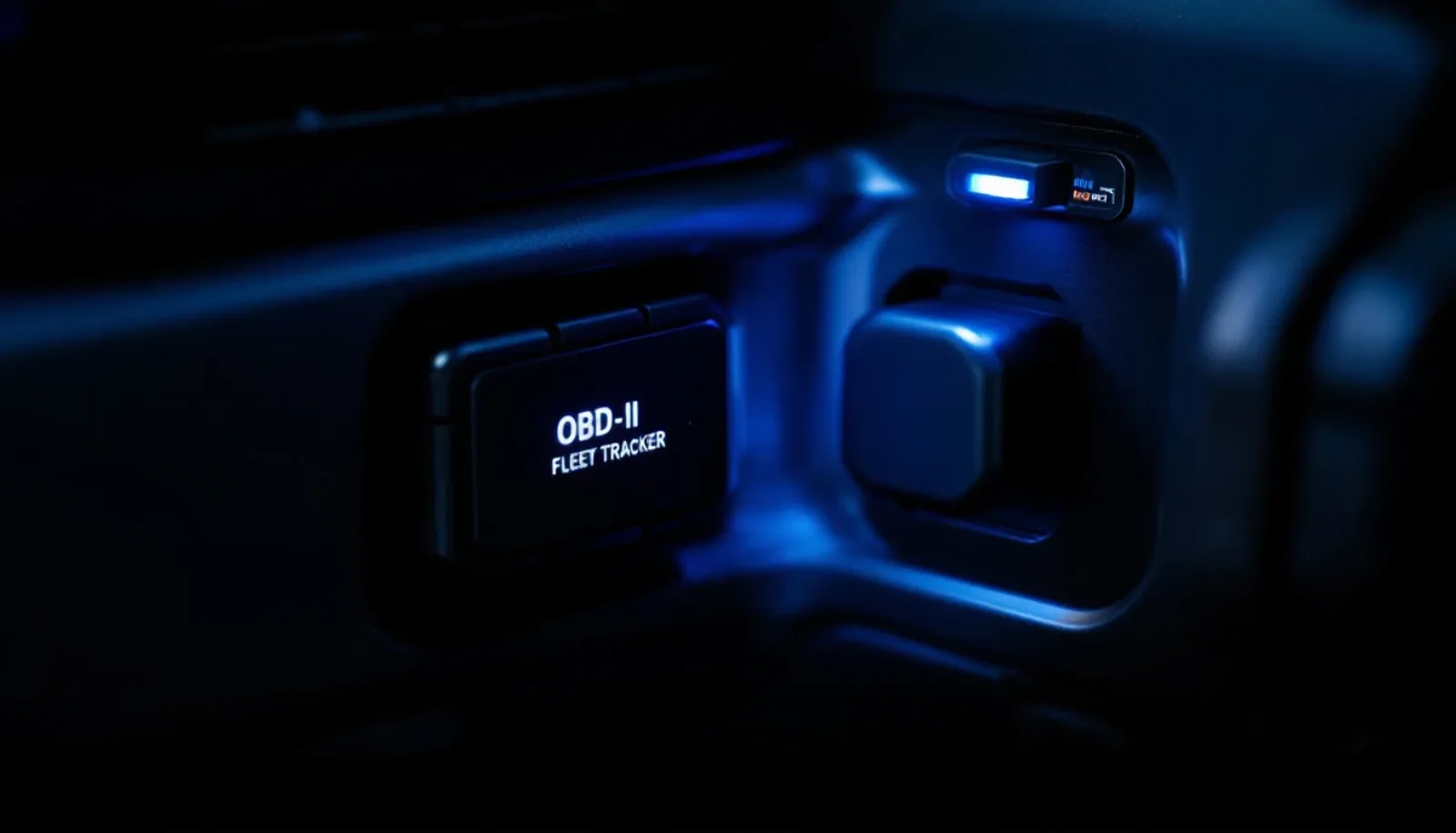

The Three GPS Tracker Install Types at a Glance
Each GPS tracker install type serves a distinct use case, and choosing the wrong one creates real operational friction.
OBD plug-in trackers connect directly to a vehicle's OBD-II port — no wiring, no tools. The BP50 Series is a working example: plug it in and you get GPS tracking, ignition on/off detection, harsh driving behavior monitoring, and optional CANBus data including odometer, fuel level, battery voltage, coolant temperature, RPM, and VIN. Install time is minimal, but the device occupies the OBD-II port permanently on the vehicle.
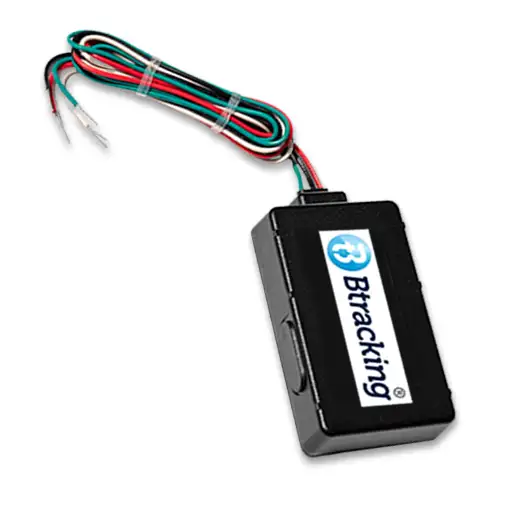
Hardwired trackers are wired directly into the vehicle's power supply. The BHW123, for instance, supports 2 digital inputs (for monitoring doors or lights) and 3 digital outputs alongside driver behavior tracking. The install takes more time and typically requires a technician, but the result is a permanent, tamper-resistant unit that draws continuous power without any intervention from the driver or fleet manager.
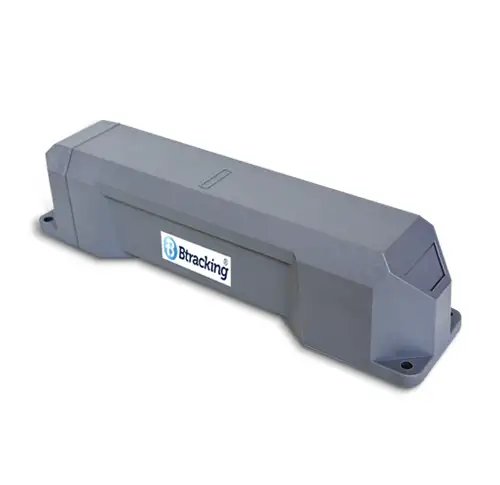
Battery-powered trackers run entirely on their own power source and attach to assets with no wiring at all. The BB502 is built for non-powered trailers and equipment, with a battery rated up to 10 years and a field-replaceable design — that longevity makes sense for assets that sit for extended periods.
The core trade-off is straightforward:
| Install Type | Install Speed | Permanence | Power Independence |
|---|---|---|---|
| OBD Plug-in (e.g. BP50) | Fast | Low | None — draws from vehicle |
| Hardwired (e.g. BHW123) | Slow | High | None — draws from vehicle |
| Battery (e.g. BB502) | Fast | Medium | Full |
The practical risk: battery trackers look attractive because they install instantly, so buyers put them on powered vehicles to avoid running wires. On a trailer that moves twice a month, a 10-year battery life is a genuine advantage. On a truck that runs daily routes, even a long-life battery becomes a maintenance item — and the hardwired or OBD option would have eliminated that problem entirely.
Side-by-Side Comparison: OBD vs Hardwired vs Battery GPS Trackers
Each tracker type trades installation complexity for capability — pick the column that matches your asset and workflow.
| Feature | OBD Plug-In | Hardwired | Battery / Hybrid |
|---|---|---|---|
| SKUs covered | BP50 / BP304 | BHW920 / BHW123 / BHW57P | BB502 / BHYP / BBTMX |
| Install | Plug into OBD-II port — no wiring | Wired to vehicle power (BHW57P uses 5-wire inline connector) | No vehicle wiring required (BB502, BBTMX); BHYP hardwired hybrid |
| Power source | Vehicle OBD-II port | Switched or constant vehicle power | Internal battery (BB502 up to 10-year replaceable; BBTMX rechargeable ~1 month at default 2 readings/30 min; BHW57P backup battery 300+ hr standby) |
| CANBus / vehicle data | BP50: basic CANBus (odometer, fuel level, battery voltage, coolant temp, RPM, VIN); BP304: full OBD data (per spec) | — | — |
| I/O capabilities | BP304: BLE, buzzer, driver ID, sensor/tool tracking, fully programmable; BP50: ignition on/off, harsh driving | BHW920: 1 digital + 1 analog input, BLE; BHW123: 2 digital inputs, 3 digital outputs; BHW57P: BLE 5.1, IP67 waterproof | BBTMX: up to 6 wired sensors (2 dual temp/humidity); BHYP: temperature/humidity monitoring |
| Ideal asset | Powered vehicles with OBD-II port | Vehicles, motorcycles, ATVs, equipment | Non-powered trailers (BB502), powered trailers/containers with idle periods (BHYP), portable cold-chain monitoring (BBTMX) |
| Waterproof rating | — | BHW57P: IP67 | — |
| Entry price | $69.99 (BP50) | $59.99 (BHW920) | $189.99 (BB502) |
| Top price in column | $159.99 (BP304) | $95.99 (BHW123 / BHW57P) | $239.99 (BBTMX) |
Battery-life assumption: the ~1-month figure for the BBTMX is the conservative default (2 readings every 30 minutes). Higher reporting frequencies will reduce runtime; lower frequencies will extend it.
Table note: "—" means the specification is not stated in the available product data for that category — not that the feature is absent. Contact Btracking to confirm any unlisted specification.
Quick decision guide:
- OBD — fastest deployment on any OBD-II vehicle; BP304 adds programmability and BLE sensors when you need more than basic telemetry.
- Hardwired — permanent install with I/O for door sensors, lights, and outputs; BHW57P extends to motorcycles and ATVs with IP67 waterproofing.
- Battery/Hybrid — the only option for non-powered trailers and portable cold-chain monitoring where running a wire isn't possible or practical.
Fleet Compliance & Compatibility Notes
These notes cover hardware characteristics relevant to fleet compliance and integration planning. They are drawn strictly from the available product evidence; items not addressed in that evidence are omitted rather than estimated.
OBD-II protocol and CANBus compatibility. OBD plug-in trackers require an OBD-II port. The BP50 Series reads basic CANBus data (odometer, fuel level, battery voltage, coolant temperature, RPM, VIN) when the vehicle supports CANBus. The BP304 provides a broader set of OBD data. Vehicles without an OBD-II port — older equipment, trailers, and most non-road assets — are not compatible with either plug-in unit and require a hardwired or battery tracker instead.
ELD/FMCSA compliance. The available product data does not state that any listed SKU is a certified ELD or FMCSA-compliant device. Fleets subject to ELD mandates should verify compliance status directly with Btracking before purchasing for Hours of Service logging purposes.
Power draw and voltage compatibility. OBD plug-in trackers draw power from the vehicle's OBD-II port. Hardwired trackers draw from switched or constant vehicle power. The BHW57P operates on LTE Cat M1/NB2 and includes an internal backup battery rated at more than 300 hours of standby time, which helps prevent tracker dropout when the vehicle is off. Specific voltage input ranges are not stated in the product data; confirm compatibility with your vehicle's electrical system before installation.
Tamper resistance. Hardwired trackers, once routed through the vehicle harness, cannot be unplugged by a driver — a meaningful advantage for theft deterrence and data integrity. OBD plug-in trackers occupy the OBD-II port but can be removed without tools. Battery trackers (BB502, BBTMX) are not wired to the vehicle; the BB502 offers an optional Magnet Mount Kit with Steel Lanyard to improve retention.
Data latency. The BBTMX sends location and sensor readings on a configurable schedule; at the default setting, readings are sent every 30 minutes. Configuring a higher reporting frequency will reduce battery life from the ~1-month default. Reporting interval figures for the vehicle trackers (BP50, BP304, BHW series) are not stated in the product data.
Add-ons and custom configurations. For sensors, tool tracking integrations, or custom configurations on the BHW920, BHW123, BHW57P, and BP304, Btracking recommends contacting them directly for pricing.
OBD Plug-In GPS Trackers: Best for Fleets That Need Speed and Vehicle Data
OBD plug-in trackers are the right call for fleets running standard passenger vehicles, light trucks, or vans where pulling CANBus data directly from the vehicle adds operational value and fast swap-out between vehicles matters.
Btracking offers two OBD options that cover most fleet use cases:
| BP50 Series | BP304 | |
|---|---|---|
| Price | $69.99 | $159.99 |
| CANBus Data | Odometer, fuel level, battery voltage, coolant temp, RPM, VIN | Full OBD data (per spec) |
| Driver Behavior | Harsh driving monitoring, ignition on/off | Yes |
| BLE / Sensors | — | Yes — driver ID, tool tracking, sensor data |
| Programmable | — | Fully programmable |
| Availability | In stock | In stock |
"—" means not stated in the product data for that SKU.
Start with the BP50 Series ($69.99) if your core need is vehicle health visibility and driver behavior monitoring. You get ignition state, harsh driving alerts, and the CANBus variables that matter most for maintenance scheduling — odometer, fuel level, coolant temp, battery voltage, and RPM — without paying for capabilities you won't use. It's an economical fit for large fleets where per-unit cost compounds quickly.
Step up to the BP304 ($159.99) when you need more than passive data collection. The BP304 is fully programmable, supports BLE connectivity, and connects to external sensors for driver ID fobs and tool tracking. If you're building a custom workflow — verifying which driver is in which vehicle, tracking high-value tools loaded into vans, or integrating tracker behavior into your own application — the BP304 is the right platform.
One hard limitation applies to both: if a vehicle doesn't have an OBD port, neither device fits. Older equipment, trailers, heavy machinery, and most non-road assets require a hardwired or battery-powered tracker instead.
Hardwired GPS Trackers: Best for Permanent Installs, Motorcycles, and I/O Integration
Hardwired trackers are the right call when you need the unit to be tamper-resistant, always-on, and wired into vehicle signals — door sensors, lights, ignition, analog inputs, or output-controlled accessories. All three models below draw power directly from the vehicle and sit in Btracking's Discrete Hardwired Vehicle Trackers category.
BHW920 — $59.99 | Compact, Ignition-Sensing, BLE
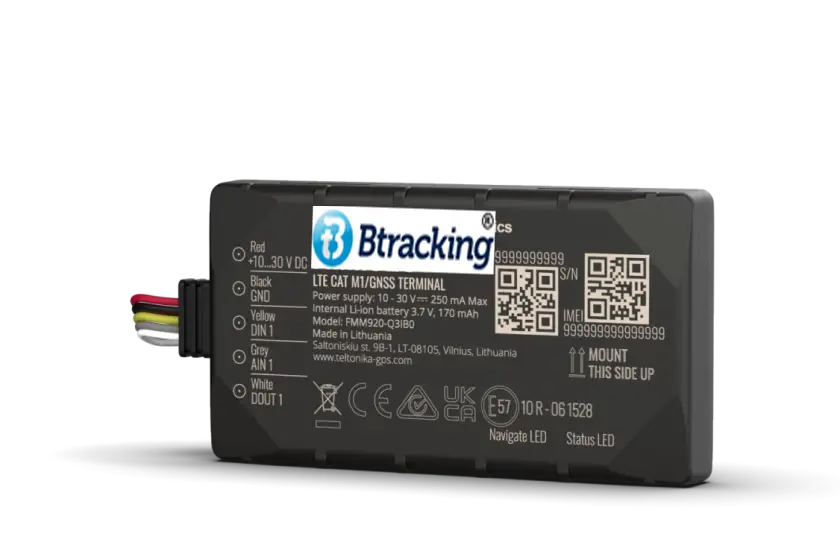
The BHW920 is the entry point for hardwired installs. It's compact, reads ignition state, and carries one digital input and one analog input — enough to monitor a door switch and an analog signal simultaneously. The built-in BLE support lets you pair wireless sensors without running additional wires. If your needs are straightforward — ignition, one door, one analog channel — this unit covers it at the lowest price in the hardwired lineup.
BHW123 — $95.99 | Multiple I/O for Doors, Lights, and Output Control
The BHW123 steps up to two digital inputs and three digital outputs. That output capability is the differentiator: you can use the outputs to control lights, trigger alarms, or activate other vehicle circuits directly from the platform. It also includes driver behavior monitoring. If you're integrating the tracker into a vehicle's electrical system rather than just reading from it, the BHW123 is the appropriate choice.
BHW57P — $95.99 | IP67 Waterproof, Motorcycle and ATV Use
The BHW57P is built for open-air and off-road applications. Key specs from the product data:
- IP67 waterproof — fully sealed against dust and water immersion
- Internal backup battery with more than 300 hours standby time — the vehicle can sit for extended periods without the tracker going dark
- BLE 5.1 — wireless sensor support
- LTE Cat M1/NB2 GNSS — current-generation cellular connectivity
- Five-wire installation via in-line connector — keeps the install clean without splicing directly into the loom
The 300+ hour backup battery standby is the practical reason to choose this unit for motorcycles and seasonal equipment — if the vehicle sits between rides or between seasons, the tracker stays live without draining the bike's battery.
Quick Comparison
| Model | Price | Inputs | Outputs | IP Rating | BLE |
|---|---|---|---|---|---|
| BHW920 | $59.99 | 1 digital + 1 analog | — | — | Yes |
| BHW123 | $95.99 | 2 digital | 3 digital | — | — |
| BHW57P | $95.99 | — | — | IP67 | Yes (BLE 5.1) |
"—" means not stated in the product data for that SKU — not that the feature is absent. Contact Btracking to confirm any unlisted specification.
Hardwired: Pros and Cons
Pros: Always powered, no battery swaps, tamper-resistant when routed through the vehicle harness, capable of reading and controlling vehicle signals, supports more complex integrations than a plug-in unit.
Cons: Requires a proper install — someone needs to identify the correct wires, connect to constant and switched power, and route the harness cleanly. Budget for installer time, especially on motorcycles where the harness is tight and the BHW57P's five-wire connector needs careful placement.
For add-ons, sensors, or custom configurations on any of these units, Btracking recommends contacting them directly for pricing.
Battery GPS Trackers: Right for Trailers and Assets, Wrong for Vehicles
Battery GPS trackers are purpose-built for unpowered trailers, containers, and equipment that sit idle for extended periods — put one on a vehicle that moves daily and you will be managing battery maintenance instead of fleet operations.
The logic is straightforward. A vehicle has a constant power source; a dry-van trailer sitting at a yard for weeks does not. Battery trackers solve the second problem, not the first.
BB502 — Trailer and Non-Powered Equipment ($189.99) The BB502 is built specifically for trailers and non-powered equipment. Its replaceable battery lasts up to 10 years in the field, which means you swap the battery on a decade-long schedule rather than pulling the asset in for a recharge every few weeks. The optional Magnet Mount Kit with Steel Lanyard covers installations where hardwiring is not an option. This is the right tool when the only question is where is this trailer — no power source, no problem.
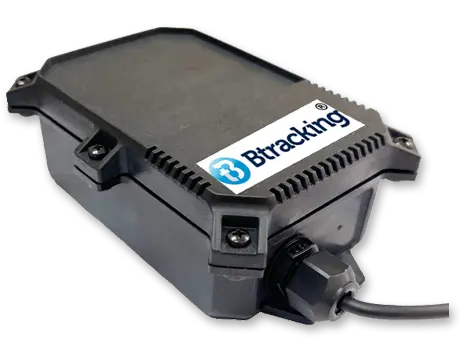
BHYP — Powered Trailers with Cold-Chain Needs ($237.49) The BHYP is a hardwired hybrid designed for powered trailers and equipment that may still sit idle for extended periods. It addresses the reality that trailers and containers carrying valuable cargo are often left unattended and may need continuous temperature and humidity monitoring alongside location tracking. If your trailer has shore power or a reefer unit, the BHYP bridges the gap between asset tracking and cold-chain visibility.
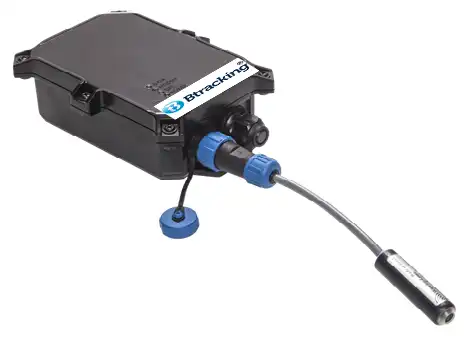
BBTMX — Portable Temperature and Humidity Monitor ($239.99) The BBTMX runs on a rechargeable battery and sends temperature, humidity, and location on a configurable schedule. At the default rate of 2 readings every 30 minutes, battery life is approximately 1 month — this is the conservative baseline; higher reporting frequencies will reduce runtime. It supports up to 6 wired sensors, with up to 2 of those being dual temp/humidity sensors, and fires immediate alerts when readings fall outside allowable ranges. That one-month runtime at the default schedule is workable for a shipment or a stationary cold-storage asset — it is not workable for a vehicle that moves every day without a reliable recharge window.
The ops manager's takeaway
| Use case | Right device | Why |
|---|---|---|
| Unpowered trailer, long yard dwell | BB502 ($189.99) | Up to 10-year replaceable battery, no recharge ops |
| Powered trailer, cold-chain cargo | BHYP ($237.49) | Hardwired hybrid, temperature/humidity monitoring |
| Portable cold-chain cargo monitoring | BBTMX ($239.99) | ~1-month rechargeable at default rate, up to 6 wired sensors, immediate alerts |
| Daily-use vehicle | Hardwired or OBD vehicle tracker | Battery trackers create coverage gaps and recharge overhead |
Rechargeable battery trackers belong on temperature-sensitive cargo with a predictable recharge cycle. Long-life replaceable battery trackers belong on assets that sit. Neither belongs on a vehicle fleet where missed recharges mean missed location data.
How to Choose: A Decision Framework for Fleet and Asset Tracking Managers
Match the tracker type to the asset type first — everything else is secondary. Deploying a battery-powered tracker on a powered vehicle because it's easier to install creates a recharge maintenance burden and reduces data fidelity compared to hardwired or OBD connections. Work through the following decision tree before you buy anything.
1. Does the asset have an OBD port and is a plug-in acceptable?
If yes, start here. OBD plug-ins are the fastest path to deployment on standard passenger vehicles, vans, and light trucks. The BP50 Series covers the basics — ignition on/off, harsh driving behavior, and optional CANBus data including odometer, fuel level, battery voltage, coolant temperature, RPM, and VIN. If you need more — BLE connectivity, driver ID, tool tracking, or full programmability for custom application development — the BP304 is the appropriate step up.
2. Does the install need to be permanent, tamper-resistant, or integrated with door or light signals?
Go hardwired. The BHW123 provides 2 digital inputs (doors/lights on/off) and 3 digital outputs. The BHW920 is a more compact option with one digital and one analog input, plus BLE for wireless sensors. Neither unit can be unplugged by a driver, which matters for theft deterrence and data integrity.
3. Is the asset a motorcycle, ATV, or outdoor equipment exposed to water?
Use a hardwired IP67-rated unit. The BHW57P is waterproof to IP67, uses a simple five-wire inline connector, and carries an internal backup battery with more than 300 hours of standby time. It supports BLE 5.1 and is rated for light-duty vehicle and motorcycle applications.
4. Is the asset an unpowered trailer, container, or equipment that sits idle for extended periods?
Use the BB502. It is built specifically for non-powered trailers and equipment, with a battery rated up to 10 years that is field replaceable — no shop visit required. An optional magnet mount kit with steel lanyard is available. There is no wiring involved.
5. Does the asset carry temperature-sensitive cargo?
Two options depending on the asset. The BHYP is a hardwired hybrid tracker designed for powered trailers and containers that may sit idle — it addresses both location and temperature/humidity monitoring for cargo that is frequently left unattended. The BBTMX is a portable, rechargeable battery-powered monitor that sends temperature, humidity, and location on a configurable schedule, supports up to 6 wired sensors (of which 2 can be dual temp/humidity sensors), and sends immediate alerts when readings fall outside allowable ranges. At the default setting of 2 readings every 30 minutes, the battery lasts approximately 1 month — the conservative baseline at that reporting rate.
A note on software platforms: The install-type decision above is hardware-agnostic — choose OBD, hardwired, battery, or hybrid hardware based on asset type, power source, and integration requirements before you evaluate the software layer that runs on top.
Frequently asked questions
Do battery GPS trackers need to be recharged, and how often?
It depends on the tracker and reporting frequency. The Btracking BBTMX rechargeable battery tracker lasts approximately 1 month at its default rate of 2 readings every 30 minutes. The BB502 trailer tracker uses a field-replaceable battery rated up to 10 years, making it maintenance-free for long-term asset deployments.
What are the pros and cons of a hardwired GPS tracker?
Hardwired trackers offer tamper resistance, always-on power, and I/O integration (door sensors, lights, analog inputs) that OBD and battery units can't match. The trade-off is installation effort — they require wiring into the vehicle's power system. Models like the BHW57P simplify this with a five-wire inline connector and add IP67 waterproofing for motorcycles and outdoor equipment.
Which GPS tracker install type is best for a mixed fleet of trucks and trailers?
Use OBD plug-in or hardwired trackers (such as the BP50, BP304, or BHW123) for powered trucks to capture vehicle data and driver behavior. For unpowered trailers, deploy a long-life battery tracker like the BB502, which offers up to 10 years of battery life and a field-replaceable battery — no charging infrastructure needed.
Can an OBD GPS tracker read vehicle data like fuel level and engine RPM?
Yes, if the vehicle supports CANBus. The Btracking BP50 Series ($69.99) reads odometer, fuel level, battery voltage, coolant temperature, RPM, and VIN. The BP304 ($159.99) goes further with full programmability, BLE connectivity, and support for driver ID and tool tracking sensors.
What GPS tracker is best for a motorcycle or ATV?
The Btracking BHW57P ($95.99) is purpose-built for motorcycles and light equipment. It's IP67 waterproof, uses a simple five-wire inline connector installation, supports BLE 5.1, and includes an internal backup battery with more than 300 hours of standby time on LTE Cat M1/NB2.
Tags:
obd vs hardwired vs battery gps trackerbest gps tracker install type for fleetdo battery gps trackers need charginghardwired gps tracker pros and consBtrackingBP50 SeriesBP304BHW57PProducts in this guide
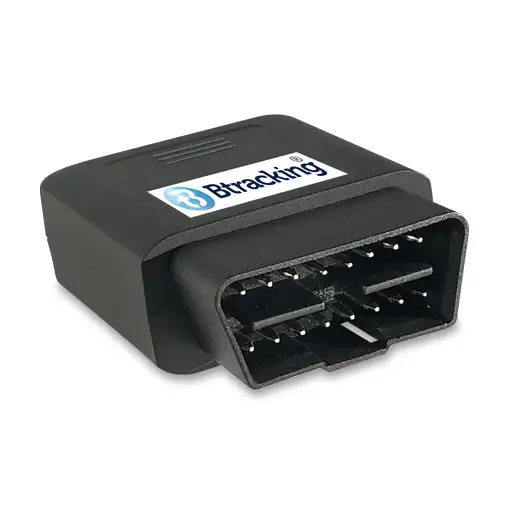
Plugin Vehicle Tracker
$69.99
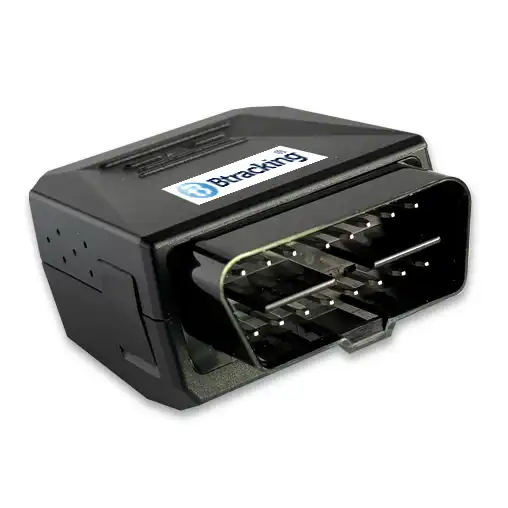
Deluxe Plugin Vehicle Tracker
$159.99
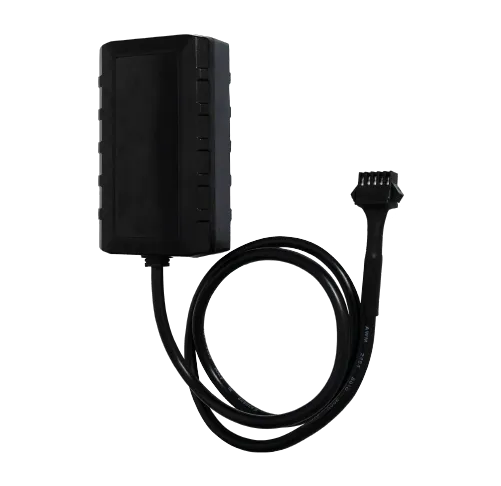
Motorcycle & ATV Tracker
$95.99
Hardwired Vehicle Tracker
$95.99
Compact Hardwired Vehicle Tracker
$59.99
Portable Temperature & Humidity Monitor
$239.99
Ultimate Hybrid Battery Powered Tracker
$237.49
Trailer Asset Tracker
$189.99
Get a written quote
Tell us what you run. An engineer confirms the details and prices it.
Request a quote