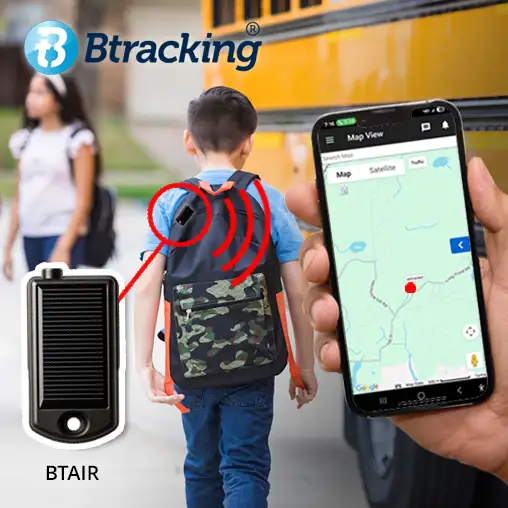
Tool loss is rarely one dramatic theft — it’s a slow leak. A drill left at Tuesday’s job, a generator that’s “on the other truck,” a ladder nobody remembers loading. Tracking tools and equipment well means matching the right technology to the value of each item. Here’s the system we set up for trades and field-service companies.
Step 1: split your inventory into three tiers
- Small tools (drills, saws, meters): too small and too numerous for a cellular GPS tracker each. These get Bluetooth (BLE) tags — small, battery-powered tags with multi-year life.
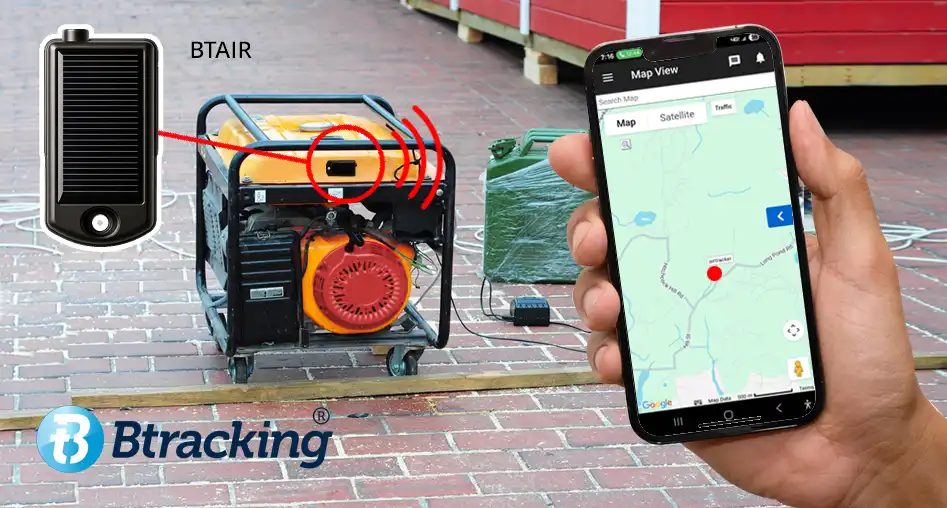
- Mid-value equipment (generators, compressors, welders): battery-powered GPS trackers that report a few times a day and can be set to alert on movement.
- High-value assets (trailers, skid steers, machines): dedicated GPS trackers — solar, battery, or hardwired — with real-time tracking and geofences.
Step 2: make your trucks the gateways
BLE tags don’t have their own internet connection — they’re heard by a nearby gateway. The trick that makes tool tracking practical: the GPS tracker already in each truck doubles as the gateway. Every tagged tool inside or near the truck is logged automatically, with the truck’s GPS position attached. The system builds a live answer to “which truck is that tool on?” without anyone scanning anything. That’s how our tool tracking system works, using BLE tags and beacons read by the vehicle tracker.
Step 3: turn on left-behind alerts
The highest-value alert in tool tracking: the truck is leaving and a tagged tool isn’t on it. The driver gets notified before they’re ten miles away — which converts an expensive Friday “where’s the saw?” hunt into a thirty-second walk back to the job site.
Step 4: assign accountability, not blame
Tie tools to crews or vehicles in the platform. When every tool has a last-seen location, time, and vehicle, the “it wasn’t us” conversations mostly disappear — and so does casual shrinkage. Companies we work with report the deterrent effect alone changes behavior (tools get returned to the truck because everyone knows they’re tagged).
Step 5: don’t forget the yard
A fixed gateway at your shop or yard turns it into a checkpoint: tools and equipment are logged in and out automatically as they pass. Combined with truck gateways, you get a continuous chain of custody — yard → truck → job site → truck → yard.
What this costs and where to start
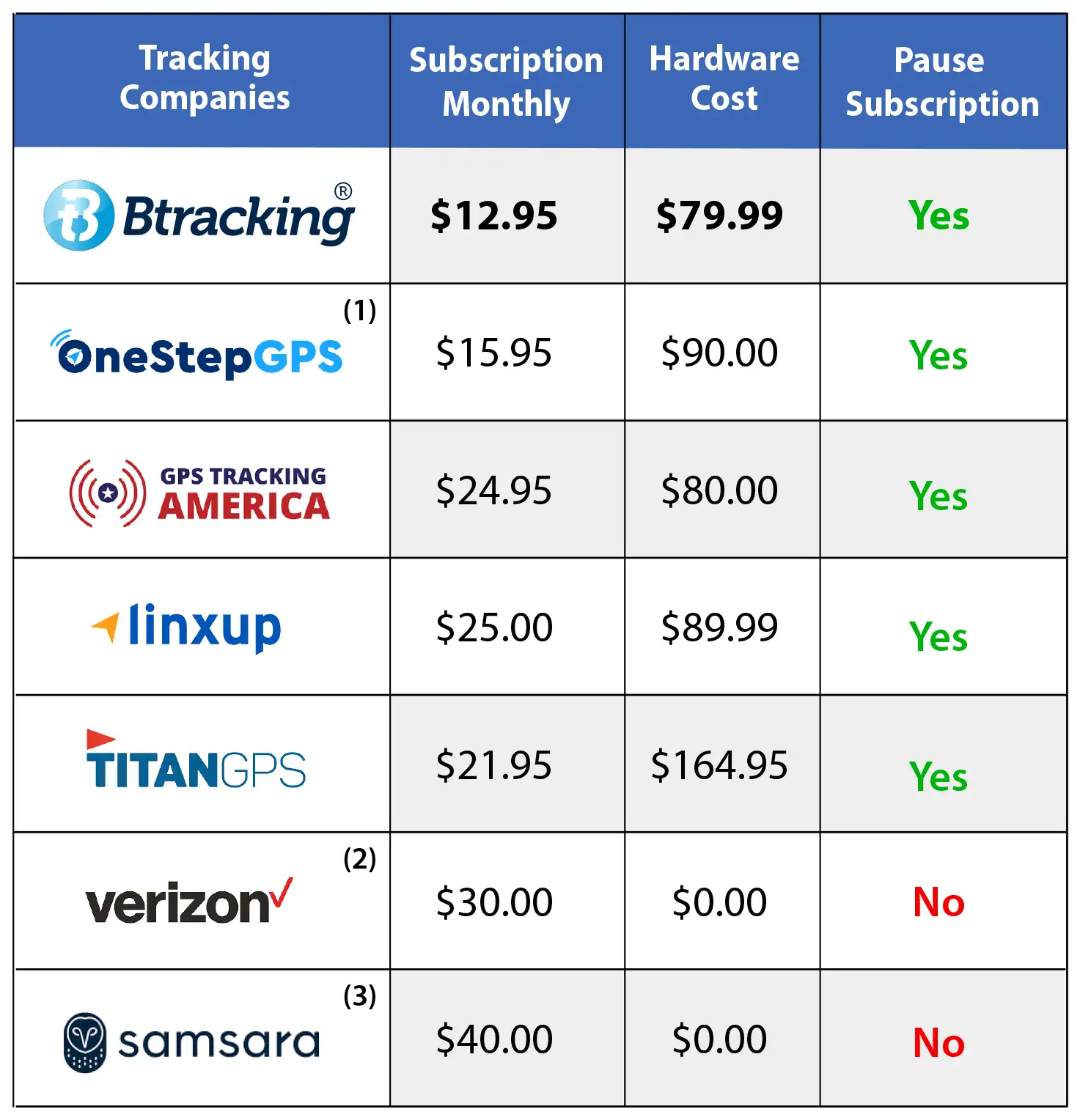
BLE tags are cheap enough to put on everything that hurts to replace; GPS trackers go on things that hurt a lot. Start with one crew’s truck as a pilot: tag their tools, use their vehicle tracker as the gateway, and turn on left-behind alerts. See GPS trackers and tags for tools, our equipment tracking options, or talk to us about a pilot for your crew.