Yes — but only a specific kind, installed a specific way. A GPS tracker by itself just reports location. Add a starter-interrupt relay to a hardwired installation, and the tracking platform can remotely prevent the vehicle from starting. Here’s how it works and where the limits are.
How starter interrupt works
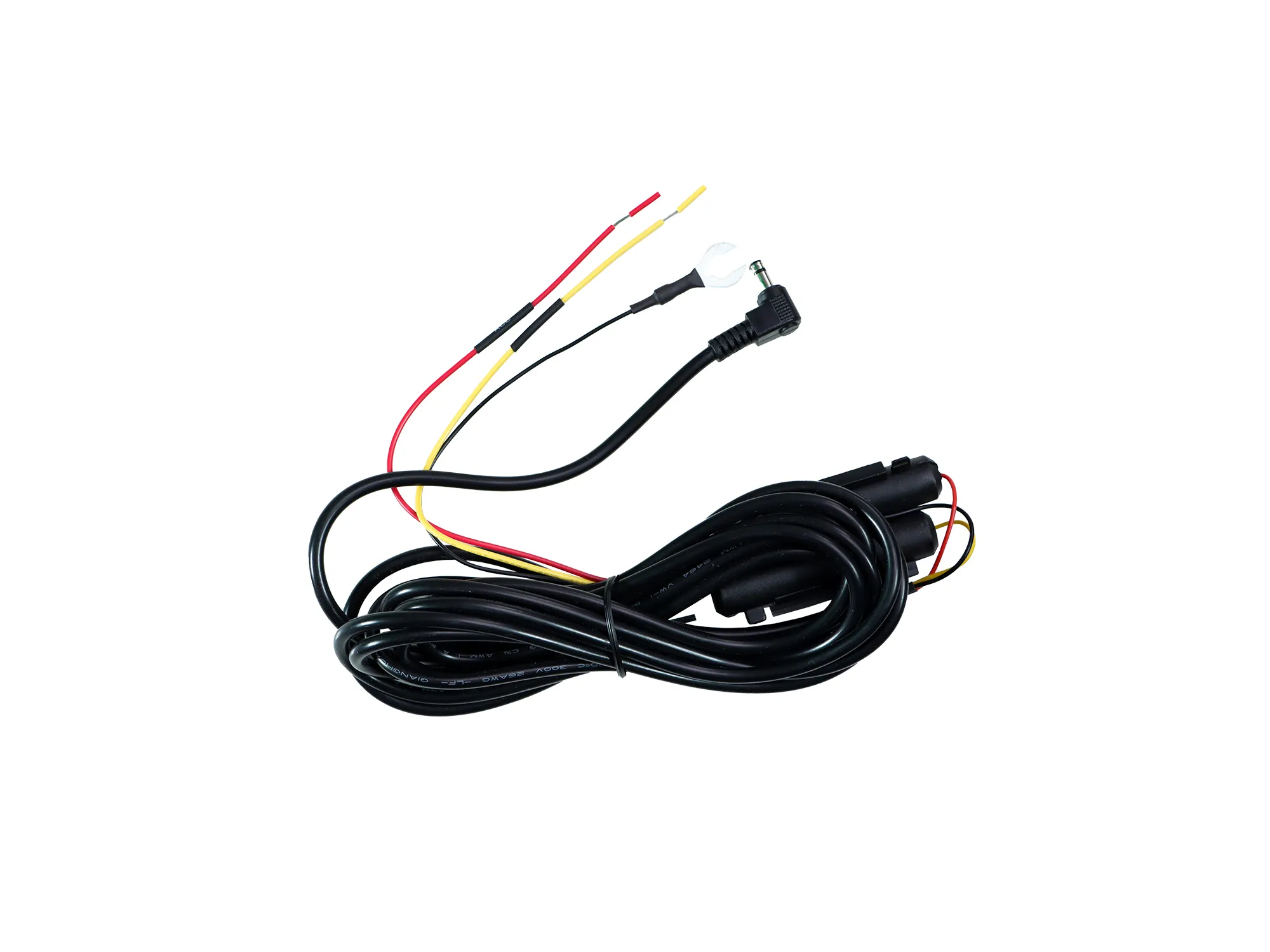
During installation, a relay is wired into the vehicle’s starter circuit. The GPS tracker controls that relay through one of its outputs. When an authorized user sends the command from the tracking platform, the relay opens the starter circuit — turn the key, and nothing happens. Send the release command and the vehicle starts normally again.
This requires a hardwired tracker with input/output support — plug-in OBD trackers can’t do it, because they only connect to the diagnostic port, not the starter circuit.
Important: it prevents starting — it doesn’t shut off a moving car
A properly designed starter-interrupt system only blocks the next start. It does not kill the engine while driving — cutting power to a vehicle in motion is dangerous, and reputable systems are specifically designed not to do it. If the engine is running when the command is sent, the vehicle keeps running until it’s turned off, and then won’t restart.
Who actually uses this
- Fleet security. A stolen or unauthorized-use vehicle can be disabled once it’s parked, so it goes nowhere while you and police recover it.
- Buy-here-pay-here and fleet lending. Lenders use disclosed starter-interrupt devices on financed vehicles. (Disclosure and consent rules apply — this is a regulated use.)
- Equipment and after-hours lockout. The same relay principle prevents machines or trucks from being started outside work hours.
Related: remote door unlocking and lock control
Starting is one circuit; locks are another. The same I/O approach powers things like our SolarLock remote unlocking — GPS-tracked padlocks and access control for trailers and gates, unlocked from the platform.
Thinking about it for your fleet?
The honest checklist: you need a hardwired tracker with outputs, a professional install (the relay must be wired correctly and safely), and clear written policy if employees drive the vehicles. We’ll walk you through all three — contact Btracking or start with our plug-in vs hardwired guide.